
Finding the core competence hiding in plain sight.
A traditional engineering business believed its strength was mechanical engineering. Challenged with the evidence, the team realised it was actually software and control systems. Re-organising around that insight reversed a slow decline and added €2m+ to profits within 18 months.

Divisions competing for funding, no coalescing core, falling technically behind narrower rivals and in slow decline.
A five-week assessment that challenged the claimed core competence and re-aligned inputs, actions and resources to the real one.
Re-organised around software and control systems. €2m+ profit improvement in 18 months, with quality and retention restored.
A traditional German engineering business, acquired by a pan-European group, had grown a number of divisions piecemeal. The business provided turnkey solutions for the packaging industry, including the design and development of factories, lines, tooling, forming machines, inspection lines and material handling. The divisions operated independently and competed for funding.
A lack of focus around one coalescing core meant competitors with narrower specialisms were developing better state-of-the-art equipment and eating into market share. Trying to be all things to all men, but master of none, the business was falling technically behind its rivals. Lost tenders triggered cost-reduction exercises, de-motivated staff and the loss of key skills. Barely profitable, the business was stagnating and in slow decline, exacerbated by declining staff retention, service levels and quality.
Management required support to understand whether to develop all the business segments or rationalise, and then to build a phased framework to prioritise, strengthen, focus and drive growth.

The core competence was not mechanical engineering. It was software and control systems.
Over five weeks an in-depth quantitative and qualitative assessment was conducted of the business's divisions, core competence(s) and strategy(ies). Particular focus was given to challenging the business's claimed core competence and how strategy, inputs, actions and resource deployment aligned to it.
Challenged with the evidence, the team realised their core competence was not mechanical engineering but software development and control systems: in particular, the development of smart systems marrying material flow, forming, inspection and product handling. This improved view led to an optimised set of actions, inputs and resource deployment to strengthen and leverage that critical capability.
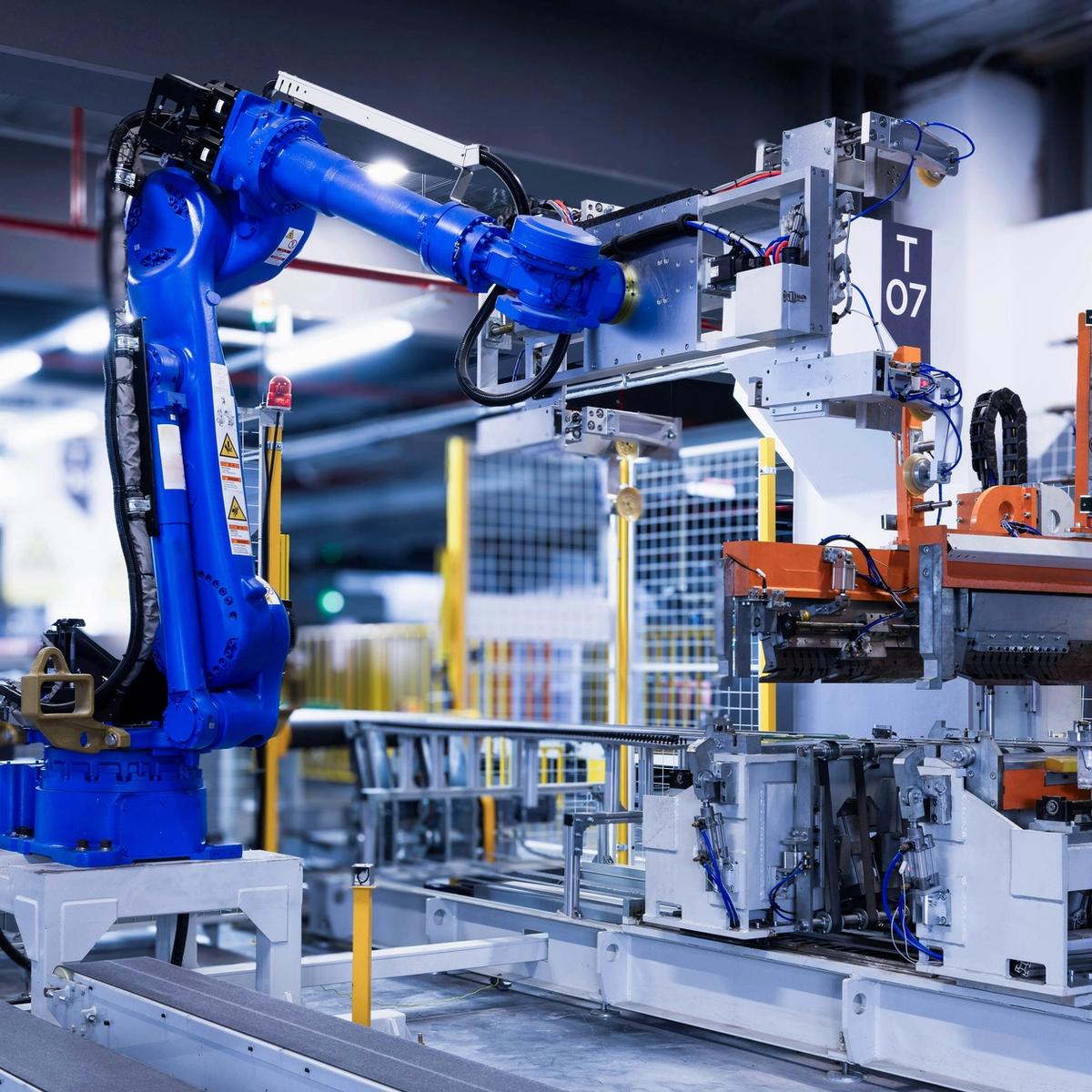
A number of areas were rationalised and the separate technology teams re-organised under one umbrella, co-ordinating solutions across the segments so protocols worked together in support of a 'smart factory-wide system', creating a singular direction and focus. The core competence, phased strategy and key inputs were married into a time-based delivery plan and prioritisation tool, melding critical control points, dashboards and cultural cues with a strong communication ethos up and down the organisation.
The business was re-organised around its newly identified core competence. Several business areas were rationalised and key skills re-assigned to developing digital-based engineering solutions. Within 18 months profitability improved by over €2m, despite the rationalisation costs associated with the change.
Employee retention significantly improved and the apprentice system was rebuilt with a focus on digitisation skills. A new business unit, Technical Advisory & Support Service, was created, working across the business and leveraging the strengthened digitisation competencies. Customer stickiness, profitability and growth improved through closer integration, needs identification and 'smart' technical assistance tools.
Manage the leading inputs, not the lagging outcomes. Re-organise around the capability that actually wins, and the numbers follow.
Facing something similar?
We help teams turn challenges like this into measurable outcomes.